

Who Is at Fault in an Illinois Rideshare Accident?

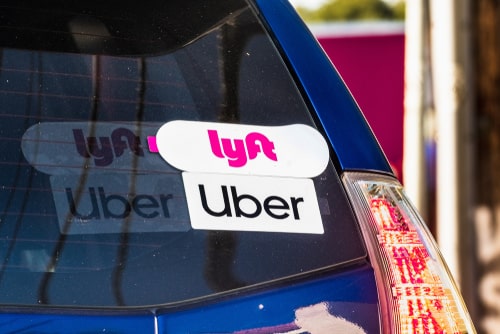
Fault in an Illinois rideshare crash works the same way it does in any car accident. It falls on whichever driver or other party was negligent. What changes is which insurance policy pays. That depends on what the rideshare driver was doing at the exact moment of impact. Rideshare companies also classify their drivers as independent contractors. That does not necessarily prevent the company itself from being held responsible.
If you’re facing physical, financial, and emotional losses because of someone else’s negligence in 2026, Winters Salzetta O'Brien & Richardson, LLC can help. Our Chicago car accident lawyers can identify which coverage applies before an insurer narrows it for you.
How Does Illinois Decide Fault in a Car Accident?
Under 735 ILCS 5/2-1116, Illinois uses modified comparative fault. This allows an injured person to recover their losses as long as their share of the blame is 50 percent or less. Your award is then reduced by your percentage of fault.
Fault is determined by examining each driver’s actions leading up to the crash. Running a red light, following too closely, making an unsafe lane change, or driving while distracted can all help establish fault. A traffic citation may support a finding of fault, but it does not prove responsibility on its own.
Rideshare cases frequently involve three or more parties with competing accounts, including the rideshare driver, the other motorist, and the passenger. More parties mean more people with reasons to shift blame, which is why independent evidence matters more here than in a two-car crash.
What Insurance Applies to an Illinois Rideshare Accident?
Illinois has different insurance requirements for rideshare drivers. The coverage depends on the driver's activity at the time of the crash:
- App turned off: The driver's personal auto insurance usually applies.
- App on, waiting for a ride request: The driver's insurance may provide coverage. If it does not meet Illinois requirements, the rideshare company's backup insurance applies.
- Ride accepted or passenger in the vehicle: At least $1 million in liability coverage must be available through the driver or rideshare company's insurance.
The driver's app status is important because it determines which insurance coverage applies. An attorney can review trip records, app data, and other evidence to confirm the driver's status at the time of the accident.
Can You Sue Uber or Lyft Directly After a Crash Caused by a Rideshare Driver?
Suing the rideshare company directly may be possible, even though companies often classify their drivers as independent contractors rather than employees.
Employers are usually responsible when employees cause a crash while doing their jobs. Different rules apply to independent contractors, but that label alone does not shield a rideshare company from responsibility.
The company's insurance can cover your claim, but the company itself could also be named in a lawsuit. To sue the company itself, you need a legal reason to hold it responsible. Losses above the insurance limit are not enough on their own.
Claims against the company often involve hiring an unsafe driver or keeping a driver after safety complaints. They can also involve app features that encouraged unsafe driving. Those claims require evidence about what the company knew.
What Happens if You Are Injured as a Rideshare Passenger in Illinois?
Rideshare passengers are rarely at fault for accidents. If you are injured, you can seek compensation through the responsible driver’s insurance. Rideshare coverage or your own insurance may also apply, depending on the circumstances. Report the crash through the app and avoid giving recorded statements to insurers without legal advice.
What Evidence Matters in a Rideshare Accident Claim?
Evidence can help determine who caused a rideshare accident and which insurance policy applies. Important evidence includes:
- App data: Shows whether the driver was waiting for a ride, picking up a passenger, or completing a trip.
- Trip records: Provide details about the route, timing, and location of the ride.
- Video footage: Dashcams, traffic cameras, and nearby security cameras may show how the crash happened.
- Police reports: Document important details about the accident and the people involved.
- Witness statements: Help explain what happened and who may have been at fault.
- Photos: Show vehicle damage, road conditions, and the accident scene.
Illinois allows two years to file a personal injury lawsuit, although exceptions apply.
Schedule a Free Consultation With Our Chicago, IL Car Accident Attorneys
At Winters Salzetta O'Brien & Richardson, LLC, our award-winning attorneys have been fighting for accident victims since 1997. We bring decades of experience to every case we handle. Rideshare claims often depend on records the companies control. These include app data that shows which insurance policy applies. Our attorneys can send an early written request asking the company to save these records before they are lost or deleted.
Contact Winters Salzetta O'Brien & Richardson, LLC at 312-236-6324 to talk to our Chicago car accident lawyers today.

Chicago, IL 60602


From our office in Chicago, Illinois, we help injured clients throughout the state including but not limited to Cook County, DuPage County, Kane County, McHenry County, Will County, Whiteside County, Lake County, Springfield, Rockford, Quad Cities, Waukegan, Peoria, Champaign, Bloomington, Normal, Rock Island, Kankakee, Joliet, DeKalb, Decatur and Wheaton.
Results listed are not a guarantee or indication of future case results.
111 West Washington Street, Suite 1200, Chicago, IL 60602
312-236-6324