


Who Is at Fault in an Illinois Rideshare Accident?

Fault in an Illinois rideshare crash works the same way it does in any car accident. It falls on whichever driver or other party was negligent. What changes is which insurance policy pays. That depends on what the rideshare driver was doing at the exact moment of impact. Rideshare companies also classify their drivers as independent contractors. That does not necessarily prevent the company itself from being held responsible.
If you’re facing physical, financial, and emotional losses because of someone else’s negligence in 2026, Winters Salzetta O'Brien & Richardson, LLC can help. Our Chicago car accident lawyers can identify which coverage applies before an insurer narrows it for you.
How Does Illinois Decide Fault in a Car Accident?
Under 735 ILCS 5/2-1116, Illinois uses modified comparative fault. This allows an injured person to recover their losses as long as their share of the blame is 50 percent or less. Your award is then reduced by your percentage of fault.
When Can Failure to Order Additional Breast Imaging Be Medical Malpractice?

Failing to order additional breast imaging becomes medical malpractice when a reasonably careful provider would have ordered it, and the delay caused harm to the patient. A screening mammogram is only the first step. When it comes back unclear, when dense breast tissue is combined with other findings or risk factors, or when someone reports a lump that the mammogram does not explain, more testing may be needed.
If you believe a doctor failed to diagnose your breast cancer in 2026, our Chicago, IL medical malpractice lawyers can review the imaging record and tell you whether what happened falls below the standard of care.
When Should a Doctor Order More Than a Screening Mammogram?
A screening mammogram is designed to look for signs of cancer in someone without symptoms. Radiologists use a standardized system called BI-RADS to describe mammogram results. A BI-RADS 0 score specifically means the study is incomplete and additional imaging is needed before any conclusion can be drawn.
Can I Sue the Building Owner if I Was Attacked on the Property?
 Under Illinois premises liability law, you may be able to sue a building owner after you’re injured in an attack. However, the fact that the attack happened on someone else’s property is not reason enough to bring a lawsuit. Cases like these succeed when something about the owner's own conduct created or ignored a danger. If you were attacked and injured on someone else’s property in 2026, our Chicago premises liability lawyers can explain your legal options.
Does a Property Owner Have to Protect You From Crime in Illinois?
In general, Illinois property owners have no duty to protect people from the criminal acts of third parties. What owners do owe, under 740 ILCS 130/2, is reasonable care under the circumstances toward people who come onto the property. That duty covers both the condition of the premises and any acts done or not done to them.
What Happens if a Truck Driver Blames You for the Accident?
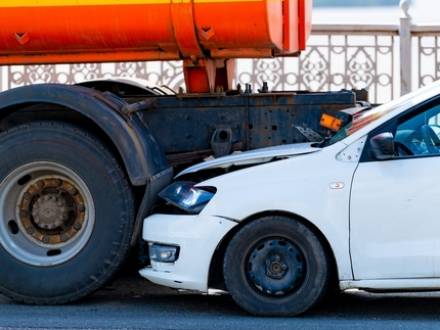 Truck accidents, especially with smaller vehicles, are dangerous and the consequences are often very expensive. When a truck driver blames the driver of the other vehicle for an accident, that can be infuriating but it doesn’t necessarily mean anything about the eventual success of a case. It’s one account among several, and Illinois law lets you recover as long as you are not found more than half responsible. Your share of fault reduces what you collect, but it does not erase your claim.
Shifting blame to the other driver is a standard move in truck accident cases, since if it works, it reduces the payout for insurance companies. If this happened to you in 2026, our Chicago personal injury lawyers can help you push back with evidence instead of argument.
Can You Still Get Money if You Were Partly at Fault for a Truck Accident in Illinois?
Illinois uses a rule called modified comparative fault, written into 735 ILCS 5/2-1116. You can recover as long as your share of fault is 50 percent or less. Your award is then cut by your percentage.
When Can a Nursing Home Be Responsible for an Employee’s Abuse?
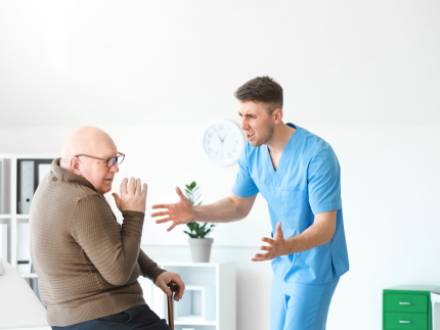 A nursing home can be held responsible when an employee intentionally or negligently harms a resident. Under Illinois law, the facility may be liable for the actions of its employees or agents. And the resident does not always have to prove that the employee was acting within the scope of their job at the time. A facility may also face claims based on its own conduct, such as failing to respond to known risks.
If your family is dealing with nursing home abuse in 2026, the Chicago personal injury lawyers at Winters Salzetta O'Brien & Richardson, LLC can help. Proving liability can be complex. But we have secured millions of dollars in settlements on behalf of clients in nursing home neglect and abuse cases just like this.
What Does Illinois Law Say About Nursing Home Liability for Abuse?
Under 210 ILCS 45/3-601 of the Illinois Nursing Home Care Act, the owner and licensee of a facility are liable to a resident for any intentional or negligent act or omission of their agents or employees that injures the resident. This means Illinois law directly holds the facility accountable for harm caused by its own staff. It is not just liable for problems with the physical building or its policies on paper.
Can Preeclampsia Lead to a Birth Injury Claim?
 Preeclampsia can lead to a birth injury claim. This might happen if your doctor failed to properly check for, find, or treat the condition. The failure must have caused harm to you, your baby, or both. Going through a hard pregnancy problem is scary enough on its own. When someone’s negligence brings you harm, Illinois law is on your side in 2026. Our Chicago birth injury lawyers can help you find out if you have a valid claim.
What Is Preeclampsia and How Can It Lead to a Malpractice Case?
Preeclampsia is a condition during pregnancy that’s marked by high blood pressure. It also can involve damage to organs, often the liver or kidneys. It usually starts after 20 weeks of pregnancy. If it's not watched or treated, it can cause serious harm to both mother and baby. This includes seizures, stroke, or the baby not getting enough oxygen during delivery.
Who Can Be Liable When a Pedestrian Is Killed in a Car Accident?
 Several parties can potentially be liable when a pedestrian is killed in a car accident. This includes the driver who hit them, a government entity responsible for dangerous road conditions, or even a vehicle manufacturer if a defective part contributed to the crash.
If your family is facing this tragedy in 2026, our Chicago personal injury lawyers can help you understand your legal options. At Winters Salzetta O'Brien & Richardson, LLC, we have experience with wrongful death claims, holding at-fault parties responsible for their carelessness.
What Duty Does a Driver Owe to Pedestrians in Illinois?
Under 625 ILCS 5/11-1002, drivers have specific duties when traffic signals aren't in place or aren't working. A driver must stop and yield to a pedestrian in a crosswalk. This applies when the pedestrian is on the driver's half of the roadway, or approaching closely enough from the other half to be in danger. The law also says a pedestrian cannot suddenly step into the path of a vehicle that is too close to stop safely.
Can I Get Punitive Damages if I Was Injured by a Drunk Driver?
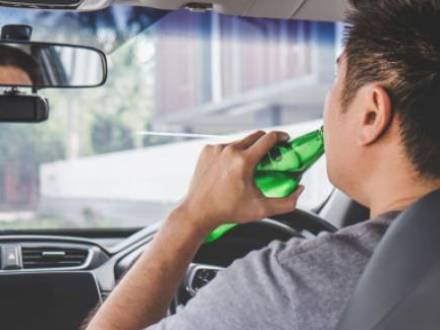 You may be able to recover punitive damages if you were injured by a drunk driver in 2026. In Illinois, punitive damages are meant to punish especially reckless conduct. Driving under the influence is often considered exactly this type of behavior.
Being hit by a drunk driver can leave you not only physically injured but also understandably angry at the reckless choice that caused your suffering. Our Chicago, IL car accident lawyers can help you understand whether punitive damages might apply to your case.
What Are Punitive Damages and How Do They Differ From Compensatory Damages?
Compensatory damages are meant to reimburse you for actual losses. This includes medical bills, lost wages, and pain and suffering. Punitive damages serve a different purpose entirely. They're intended to punish the wrongdoer for particularly bad conduct and deter similar behavior in the future. They aren't meant to compensate you for your specific losses.
Can I Pursue a Lawsuit After a Delayed Diagnosis?
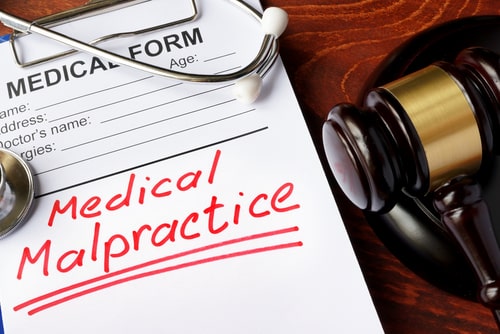 You can pursue a lawsuit after a delayed diagnosis. This type of malpractice can turn a treatable condition into one that becomes life-threatening. Holding the responsible party accountable matters for you. It can also help prevent the same mistake from happening to future patients. If a delayed diagnosis has affected your health in 2026, our Chicago, IL delayed diagnosis lawyers can help you understand whether you have a valid claim.
What Counts as a Delayed Diagnosis in a Medical Malpractice Case?
A delayed diagnosis occurs when a doctor fails to identify a medical condition within a reasonable amount of time. This happens even though the symptoms or test results should have led to an earlier diagnosis. This differs from a missed diagnosis, where a condition is never identified at all. Both can form the basis of a malpractice claim, though.
Should I File an Injury Claim After an Accident at a Friend's Home?
 Under the right circumstances, you can file an injury claim after getting hurt at a friend's home, even though it may feel uncomfortable to consider legal action against someone you know. Homeowners in Illinois carry insurance specifically to cover accidents that result in injury. Filing a claim is usually a matter between you and the insurance company rather than a personal conflict with your friend.
If you were injured at someone else’s home due to their negligence in 2026, our Chicago, IL premises liability lawyers can help. We’ll explain whether you have a valid claim based on the circumstances of your accident.
Why Do People Hesitate to File a Personal Injury Claim Against a Friend?
It's completely normal to feel torn about pursuing a claim after getting hurt at a friend's house. You might worry about straining the relationship or feel guilty about causing them trouble. But homeowner’s insurance exists exactly for this reason. Your friend's insurance company, not your friend personally, is typically the one paying for your medical bills and other losses.

Chicago, IL 60602


From our office in Chicago, Illinois, we help injured clients throughout the state including but not limited to Cook County, DuPage County, Kane County, McHenry County, Will County, Whiteside County, Lake County, Springfield, Rockford, Quad Cities, Waukegan, Peoria, Champaign, Bloomington, Normal, Rock Island, Kankakee, Joliet, DeKalb, Decatur and Wheaton.
Results listed are not a guarantee or indication of future case results.
111 West Washington Street, Suite 1200, Chicago, IL 60602
312-236-6324