
 312-236-6324


Can I Sue for a Chemical Injury on Someone Else's Property?
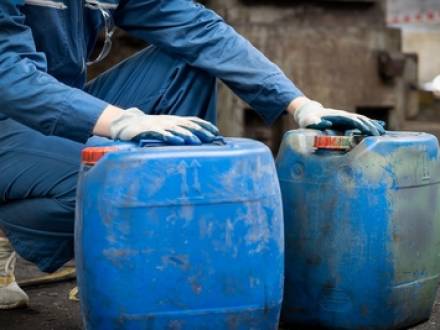 If you were exposed to a toxic or hazardous chemical on someone else's property in 2026 and got hurt, you may have a premises liability claim. Property owners have a legal duty to keep their premises fairly safe for people who enter. This includes taking care of chemical hazards within a reasonable timeframe of their being found. When a property owner fails to do that, and someone suffers a chemical injury as a result, the property owner can be held responsible. A Chicago personal injury attorney can help you figure out whether you have a case and what it may be worth.
What Kind of Chemical Exposures Can Lead to a Lawsuit in Illinois?
Chemical injuries on someone else's property can happen in many different settings. Many garages, gardens, or even kitchens can be full of dangerous chemicals. Commercial buildings are often stocked with industrial-strength cleaning solutions. These can cause serious damage when ingested or exposed to skin or eyes.
Common situations that may lead to a premises liability claim include:
-
Exposure to cleaning chemicals or industrial solvents in a commercial building
-
Contact with pesticides, herbicides, or fertilizers on agricultural or residential property
-
Breathing in toxic fumes from the improper storage of hazardous materials
-
Skin or eye burns from unlabeled or improperly stored chemicals
-
Long-term exposure to asbestos, lead, or mold in a rental property
In issues of liability, the most important piece of information is whether the property owner knew or should have known about the hazard. If they should have been aware of the risks the chemical posed and they didn’t address them, they may be liable for resulting injuries.
What Information Do You Need To Win a Chemical Injury Case in Illinois?
To hold a property owner liable for a chemical injury in Illinois, you need to establish four things.
Duty
The basis of your claim is that the property owner owed you a duty of care. In other words, you need to show that you were on the property legally. Under the Illinois Premises Liability Act (740 ILCS 130), property owners must maintain reasonably safe conditions for people lawfully on their property.
Breach
You need to prove that the owner failed in their duty of care. This could be by leaving chemicals out in the open, storing them in inappropriate containers, mislabeling chemicals, or failing to warn visitors of chemical issues in a certain area.
Causation
Your case must show that the owner's failure directly caused your injury. An experienced attorney will help you gather the necessary evidence to prove the property owner’s liability.
Damages
You must show that you suffered real harm. This could be physical, financial, or both.
Chemical injury cases can be more complicated than a typical slip and fall accident because you often need medical evidence linking your specific symptoms or diagnosis to the chemical exposure. Symptoms like respiratory problems, skin damage, neurological issues, or organ damage don't always show up right away. In some cases, they develop over weeks or months after exposure.
This is where acting as soon as you suspect exposure and working with the right specialists matters. Your attorney should have strong connections to qualified medical professionals who can document your condition and connect it clearly to the exposure. Photographs of the scene, records of what chemicals were present, safety data sheets, and any communications from the property owner about the hazard can all strengthen your case significantly.
How Long Do You Have To File a Chemical Injury Lawsuit in Illinois?
Under 735 ILCS 5/13-202, the statute of limitations for personal injury claims in Illinois is generally two years from the date of the injury. In chemical exposure cases, the time limit may be somewhat longer.
If your injury wasn't immediately apparent (which is common with toxic exposure), Illinois recognizes what's called the "discovery rule." This means the two-year window may start from the date you knew, or reasonably should have known, that you were injured and that the exposure caused it.
Even though two years is a long time, it’s in your best interests to act as soon as you think something may be wrong. Building a strong case requires evidence, and evidence, especially on someone else’s property, can be altered or removed at any point after the incident.
Call a Chicago, IL Chemical Injury Attorney Today
Chemical injuries can have life-altering effects. Our Chicago personal injury lawyers are familiar with both serious personal injury and premises liability and are well-suited to these kinds of cases. We’ve recovered millions of dollars in compensation for clients. Call Winters Salzetta O'Brien & Richardson, LLC at 312-236-6324 to schedule a free consultation about your case today.




111 West Washington Street, Suite 1200
Chicago, IL 60602
 312-236-6324
 312-236-6426


Contact Our Firm
 The use of the Internet or this form for communication with the firm or any individual member of the firm does not establish an attorney-client relationship. Confidential or time-sensitive information should not be sent through this form.
I have read and understand the Disclaimer and Privacy Policy.