
 312-236-6324


What Kinds of Injuries Are Chicago's Train Lines Liable For?
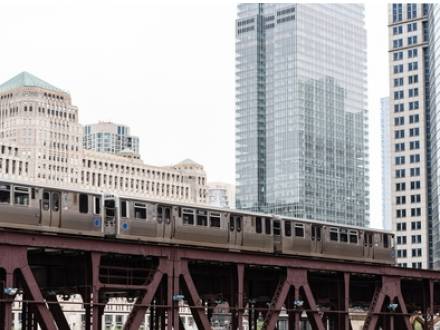 Millions of people ride Chicago's train lines every day, and most of the time it’s an uneventful experience. But sometimes things go wrong and people get badly hurt. A Chicago, IL personal injury attorney can explain what situations the transit companies are liable for and if you have a claim for your injury.
Illinois Transit Authorities’ Legal Duty to the Safety of Their Riders
Under Illinois law, common carriers (a legal term for businesses that transport members of the public) are held to a higher standard of care than ordinary property owners. Chicago's transit authorities must do everything they reasonably can to protect passengers from "foreseeable harm." This applies to platforms, train cars, escalators, elevators, and other areas under the transit authority's control.
The Illinois Local Governmental and Governmental Employees Tort Immunity Act (745 ILCS 10) provides some protections to government entities. It does not shield them from liability in all situations, though. An attorney can help you determine whether those immunities apply to your specific case.
What Types of Injuries Can Happen on Chicago Train Lines?
Transit-related injuries cover a wide range of situations. Some of the most common include the following.
Slip, Trip, and Fall Accidents
Wet platforms, broken flooring, unmarked steps, and poor drainage around station entrances are among the most frequent causes of injury on Chicago's rail systems. When a hazardous condition has existed long enough that the transit authority should have known about it and done something, they may be liable for your injuries.
Doors Closing on Passengers
Train doors that close too quickly, malfunction, or fail to detect a passenger in the doorway can cause serious injuries. Being struck by a closing door or dragged when a door closes while you are still boarding can result in broken bones, shoulder injuries, and worse.
Falls onto the Tracks
A fall from a platform onto the tracks is one of the most dangerous things that can happen at a train station. These incidents can result from overcrowding, inadequate barriers, slippery platform edges, or a failure by staff to manage dangerous conditions. The consequences can include traumatic brain injuries, spinal injuries, amputations, or even death.
Escalator and Elevator Accidents
Escalators and elevators that are poorly maintained or allowed to fall into disrepair are very hazardous. Sudden stops, missing or broken steps, and mechanical failures can send riders tumbling. Transit authorities that fail to keep these in safe working order can be held responsible for resulting injuries.
Assaults and Security Failures
Transit authorities are not automatically liable for every crime that happens on their property, but they can be held responsible if there is evidence that inadequate security contributed to an assault. If lighting was broken, security cameras were not functioning, or staff failed to respond to an ongoing threat, they may contribute to a premises liability or negligence claim.
Crashes and Derailments
Train collisions and derailments are relatively rare, but when they happen, injuries tend to be severe. Operator error, equipment failure, and inadequate maintenance are among the most common causes. These cases often involve significant investigation and may implicate multiple parties.
What Should You Do After an Injury on a Chicago Train?
If you are injured on or around a Chicago train line, it’s important to act before evidence is cleaned up or overwritten.
- Report the incident to transit authority staff and get a copy of any incident report filed.
- Photograph your injuries and the conditions that caused them before leaving the area.
- Get contact information from any witnesses nearby.
- Seek medical attention as soon as possible, even for injuries that seem minor.
- Do not provide a recorded statement to any insurance representative before consulting a lawyer.
Getting a lawyer to look over the facts of your case can be very helpful. The transit authority’s insurers will likely push for a fast settlement. Your lawyer can help you assess the full extent of your injuries and what they’re likely to cost you in money and emotional distress, and then push for an adequate settlement. The protections afforded to public transit companies in Illinois also make understanding your legal options more complicated, so professional legal help is vital.
Call a Chicago, IL Train Accident Attorney Today
At Winters Salzetta O'Brien & Richardson, LLC, our Chicago personal injury lawyer offers free consultations and works on contingency, so you pay nothing unless we win your case. We’ve recovered millions for clients and will fight hard for the compensation you deserve in 2026. Call Winters Salzetta O'Brien & Richardson, LLC at 312-236-6324 to schedule your free consultation.


111 West Washington Street, Suite 1200
Chicago, IL 60602
 312-236-6324
 312-236-6426


Contact Our Firm
 The use of the Internet or this form for communication with the firm or any individual member of the firm does not establish an attorney-client relationship. Confidential or time-sensitive information should not be sent through this form.
I have read and understand the Disclaimer and Privacy Policy.