
 312-236-6324


Recent Blog Posts
Birth Injuries and Medical Negligence
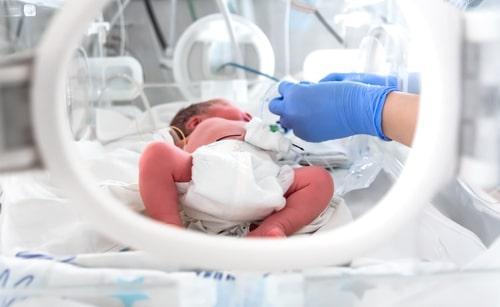 Expecting a new baby is one of the most exciting times in someone’s ilfe. However, when something goes wrong during the delivery process, it can be heartbreaking for both mother and family. This experience can lead to devastating emotional and physical hardships that no family should have to endure. Birth injuries are unfortunately commonplace, with long-term implications to face. If your child suffered a birth injury, it is essential to understand your rights under the law as well as the potential legal remedies available.
What is Considered a Birth Injury?
Birth injuries can range from minor bruises to serious conditions like cerebral palsy. Some common types of birth injuries include:
-
Brain damage
-
Cerebral palsy
-
Erb's palsy
-
Brachial plexus injuries
-
Shoulder dystocia
-
Hypoxia (lack of oxygen)
Filing a Medical Malpractice Claim in Illinois: What You Need to Know
 Medical malpractice is a serious issue that can have devastating consequences for patients and their families. If you or a loved one has been a victim of medical malpractice in Illinois, you may be wondering what steps you should take to seek compensation.
We will discuss the process of filing a medical malpractice claim in Illinois, including what you need to know about the statute of limitations, the elements of a medical malpractice claim, and how to find the right attorney.
What is Medical Malpractice in Illinois?
Medical malpractice occurs when a healthcare provider fails to provide a patient with the appropriate standard of care, resulting in injury or harm. In Illinois, medical malpractice claims can be filed against a variety of healthcare providers, including doctors, nurses, dentists, and hospitals.
What is the Statute of Limitations for Medical Malpractice Claims in Illinois?
In Illinois, the period for filing a medical malpractice suit is generally two years from when the injury happened or was discovered. However, there are some exceptions to this rule, such as cases involving minors or cases where the injury was not discovered until later. It is important to speak with an attorney to determine the specific statute of limitations that applies to your case.
Cerebral Palsy and Birth Injuries: Understanding Your Legal Rights in Illinois
 Cerebral palsy is a serious birth injury that affects muscle movement and coordination. It can occur when a baby’s brain does not develop properly or when there is damage to the brain during delivery.
If your child has been diagnosed with cerebral palsy due to a birth injury, you may be wondering what your legal rights are and what steps you can take to seek compensation.
Causes of Cerebral Palsy in Illinois
Cerebral palsy can be caused by a variety of factors, including genetic conditions, infections during pregnancy, and birth injuries. Birth injuries are a common cause of cerebral palsy. Common birth injuries that can cause cerebral palsy include oxygen deprivation during delivery, fetal distress, and traumatic head injuries.
Identifying Medical Malpractice in Cerebral Palsy Cases
To prove medical malpractice in cerebral palsy cases, you must demonstrate that the healthcare provider(s) failed to provide the appropriate standard of care during delivery, which directly caused your child’s cerebral palsy. This can be challenging, as it requires extensive medical knowledge and expertise. However, with an attorney, you can navigate the legal process easier and determine whether medical malpractice was a factor in your child’s cerebral palsy.
5 Factors That Affect the Value of a Wrongful Death Settlement in Illinois
 Losing a loved one due to the negligence or wrongful act of another is a traumatic experience. In such cases, the family of the deceased can file a wrongful death claim to recover damages. A wrongful death settlement is an agreement between the plaintiff and the defendant, where the defendant agrees to pay a sum of money to the plaintiff in exchange for the dismissal of the lawsuit.
The amount of the settlement depends on various factors, and understanding them can help the family of the deceased make informed decisions during the legal process.
1. Liability
Liability is a crucial factor that affects the value of a wrongful death settlement. In Illinois, the plaintiff must prove that the defendant was responsible for the death of their loved one. If liability can be established, it increases the chances of a higher settlement value.
2. Damages
Damages refer to the losses suffered by the family of the deceased due to the wrongful death. Such losses may include medical bills, burial expenses, missed wages, pain and suffering compensation, as well as loss of companionship. The extent of damages plays a significant role in determining the settlement value. The higher the damages, the higher the settlement value.
The Importance of Gathering Evidence in Car Crash Cases
 When it comes to car crash cases, gathering evidence is one of the most important steps. Evidence can be used to prove liability and help you recover compensation for damages. It is essential to collect evidence related to a car accident as soon as possible, including photographs, witness testimony, and official documents such as police reports.
Types of Evidence
The types of evidence that can be used in car accident cases include:
-
Evidence from the scene of the accident - This includes photographs, skid marks, debris, and any other physical evidence that can help prove what happened at the scene.
-
Witness testimony - Witnesses who saw or heard what happened during the incident can provide valuable information about how the accident occurred.
-
Driver’s info - Information about the driver involved in the accident, such as their name, contact information, insurance details, etc., can be used to identify them and hold them accountable for their actions.
Understanding Negligence in Medical Malpractice Lawsuits in Illinois
 Negligence is a critical element that must be established for any medical malpractice lawsuit. In the state of Illinois, negligence occurs when healthcare professionals fail to uphold their duty of care toward their patients. This means that they do not provide treatment according to accepted standards of care leading to harm or injury.
Duty of Care
For a plaintiff to succeed in a medical malpractice lawsuit, they must first establish that there was a duty of care owed by the defendant. Medical professionals have an obligation to treat their patients with reasonable care and according to standards within their field. As such, if it can be proven that this duty was breached, the patient may have grounds for a successful negligence claim.
For example, if a doctor fails to diagnose a condition that any medical professional of the same specialty would have noticed, then they may be found negligent in court.
Premises Liability Explained: Who is Liable for Injuries on Someone Else's Property?
 The Illinois Premises Liability Act protects visitors from harm caused by the carelessness or negligence of property owners and operators. The law holds people responsible for premises liability if their actions or negligence result in injury, ensuring that all parties take reasonable steps to keep licensees and invitees safe while on-site.
Who Is Considered a Licensee or Invitee?
Under Illinois law, visitors on a property are divided into two categories: licensees and invitees. A licensee is someone who enters another’s property with permission but without an implied or expressed invitation from the owner or occupier of the land. An invitee is someone who enters another’s property with an implied or expressed invitation from the owner or occupier of the land. Both of these are very different from a trespasser, who would far less standing to file a premises liability action following an injury.
Navigating the Illinois Legal System after a Car Crash
 Being involved in a car accident can be a traumatic and overwhelming experience. It can be difficult to know what steps to take in the aftermath of an accident, especially when it comes to navigating the legal system. In Illinois, some specific guidelines and procedures must be followed to file a claim for damages. Understanding the legal process can help you understand your case easier.
Gathering Evidence
After a car accident, it is important to gather as much evidence as possible. This evidence can be used to prove liability and establish the extent of the damages suffered.
Some common types of evidence to collect include:
- Police reports – The police report can provide important information about the accident, including the names of the parties involved and the cause of the accident.
- Eyewitness statements – Eyewitnesses can provide valuable testimony about how the accident occurred.
Understanding Nursing Home Injury Claims
 Nursing home injury claims can be complex and require a thorough understanding of the legal process. In Illinois, nursing homes have a legal responsibility to provide safe and appropriate care for their residents, and when they fail to do so, they can be held liable for injuries that occur as a result.
Proving Negligence in Nursing Home Injury Claim
When it comes to proving negligence, it is important to identify the specific actions or inactions that led to the injury. This requires gathering evidence such as medical records, eyewitness statements, and expert testimony. In some cases, it may be necessary to hire a medical expert.
A medical expert can also assess the extent of the resident’s injuries and provide an opinion on whether the nursing home was negligent in providing the proper care. Additionally, a medical expert can help evaluate any long-term effects that may be associated with the injury, such as pain and suffering or financial losses.
What You Should Know About Medical Misdiagnosis in Illinois
 Medical misdiagnosis is a serious issue that can have severe consequences for patients in Illinois. Inaccurate or delayed diagnosis can lead to delayed or inappropriate treatment, increased medical costs, and even permanent harm or death. Today, we will explore the topic of medical misdiagnosis, including what it is, its consequences, how you can spot signs of misdiagnosis, and what steps you can take to seek legal action.
What Is Medical Misdiagnosis?
When a doctor diagnoses a condition wrong carelessly or improperly handles a condition or illness, that is considered medical misdiagnosis. This can happen due to various factors. Some factors include a lack of information, failure to consider all possible diagnoses, or not following established protocols. Conditions that are commonly misdiagnosed include cancer, heart attack, and stroke. Every year, a staggering 7 million misdiagnoses are made in the United States’ emergency rooms. This number does not include incorrect diagnoses made in doctors’ offices and other clinical settings.




111 West Washington Street, Suite 1200
Chicago, IL 60602
 312-236-6324
 312-236-6426


Contact Our Firm
 The use of the Internet or this form for communication with the firm or any individual member of the firm does not establish an attorney-client relationship. Confidential or time-sensitive information should not be sent through this form.
I have read and understand the Disclaimer and Privacy Policy.